Complemento Predicativo Del Soggetto E Dell'oggetto

Ciao! Let's face it, grammar can feel like navigating a labyrinth, right? Those little terms that sound similar but do completely different things – Complemento Predicativo del Soggetto and Complemento Predicativo dell'Oggetto are often among the most confusing. But don't worry! We're going to break it down together, step-by-step, making it clear, understandable, and even, dare I say, fun!
Understanding the Challenge: Why is it so tricky?
One of the main reasons these complements trip people up is because they both express a state or quality related to another part of the sentence. The key lies in understanding which part of the sentence they modify. Many learners struggle to identify the subject and object accurately, which then leads to confusion when trying to determine the function of the Complemento Predicativo. Think of it like a detective game – we need to find the right clues to solve the mystery!
Educational research consistently shows that visual aids and real-life examples significantly improve grammatical understanding. Abstract rules become much easier to grasp when they are connected to concrete situations. We'll use plenty of both in this article.
Must Read
Complemento Predicativo del Soggetto: Describing the Subject
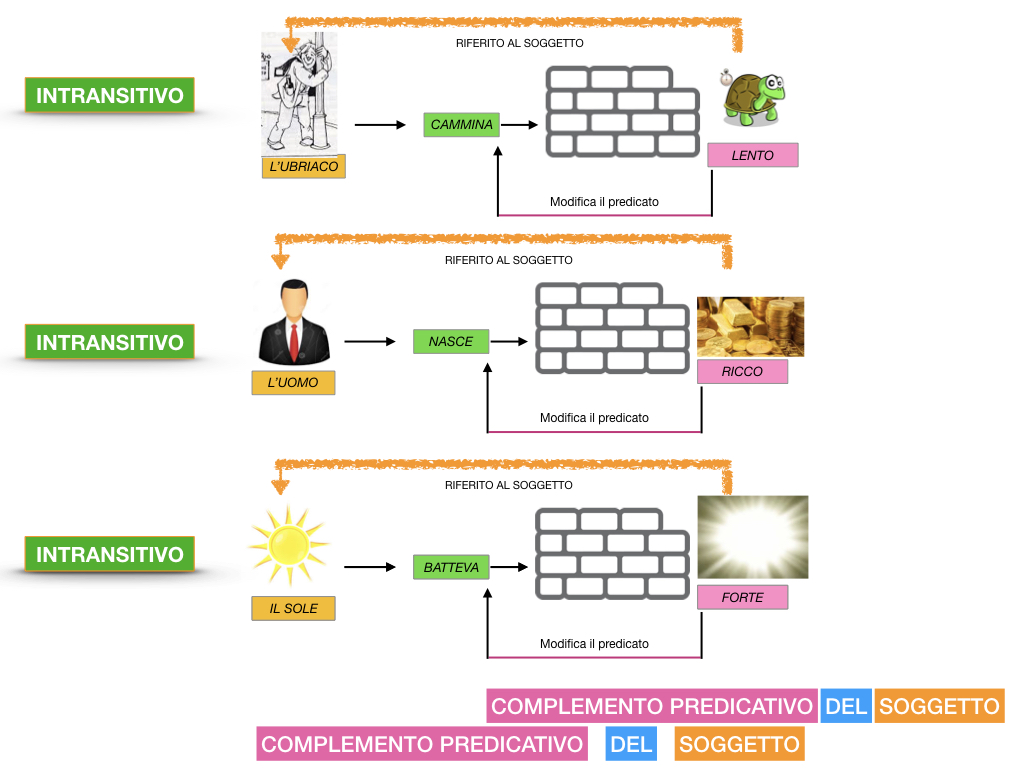
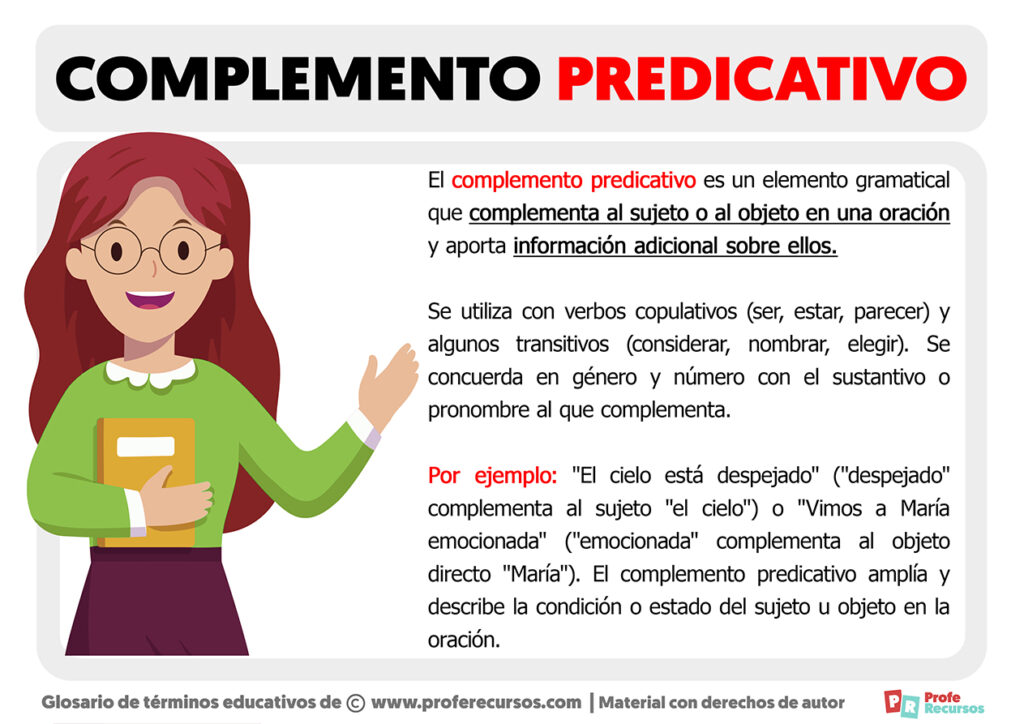
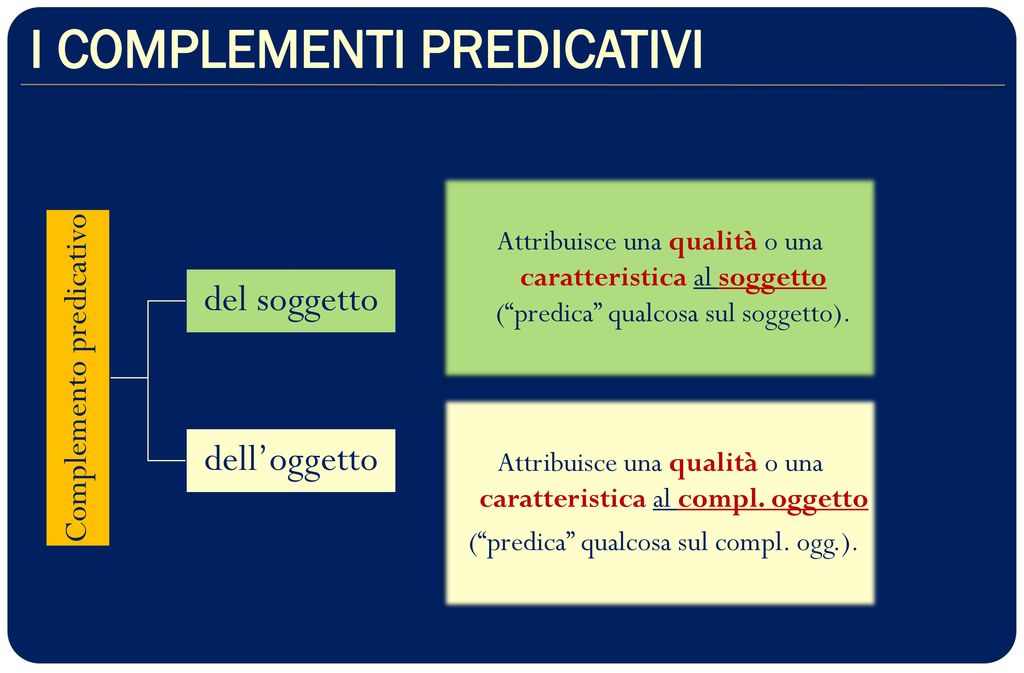
The Complemento Predicativo del Soggetto adds information about the subject of the sentence. It tells us something more about the subject's state, characteristic, or quality at the moment the action is happening. It essentially completes the verb's meaning by describing the subject.
Key Features:
- It's always linked to the subject.
- It describes the subject.
- It usually follows linking verbs (verbi copulativi) like essere (to be), diventare (to become), sembrare (to seem), parere (to appear), risultare (to result), restare (to remain), nascere (to be born), morire (to die), crescere (to grow), and rimanere (to remain).
Examples:
- Maria è felice. (Maria is happy.) – "Felice" (happy) describes Maria.
- Luca è diventato medico. (Luca became a doctor.) – "Medico" (doctor) describes Luca.
- La torta sembra buona. (The cake seems good.) – "Buona" (good) describes the cake.
- Il bambino è nato sano. (The child was born healthy.) – "Sano" (healthy) describes the child.
Notice how each word in bold describes the subject of the sentence? That's your Complemento Predicativo del Soggetto in action!
Actionable Tip for Teachers: Use visual representations. Create diagrams where the subject is connected to the Complemento Predicativo del Soggetto with an arrow, clearly demonstrating the relationship. Ask students to identify the verbo copulativo and the subject before finding the complement. Start with simple sentences and gradually increase the complexity.
Complemento Predicativo dell'Oggetto: Describing the Object
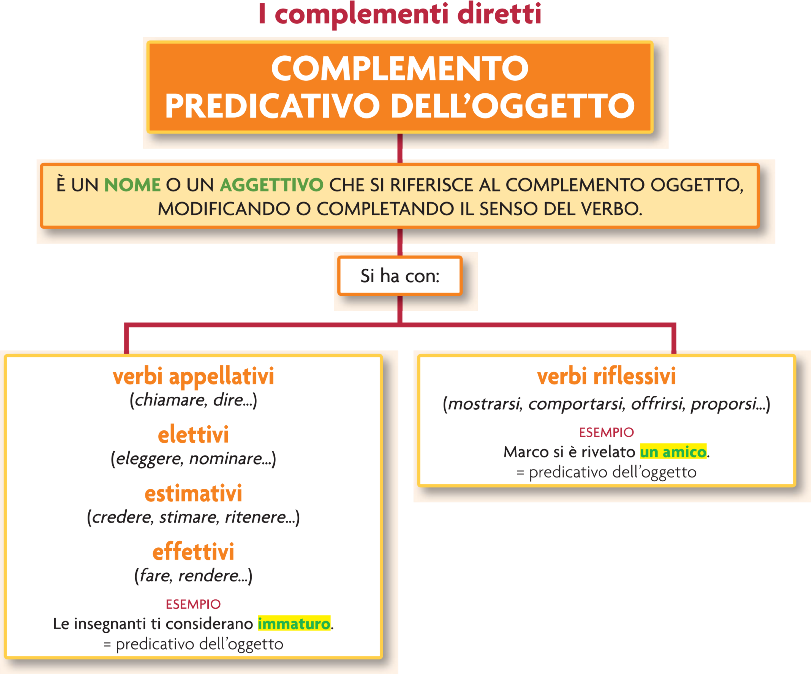
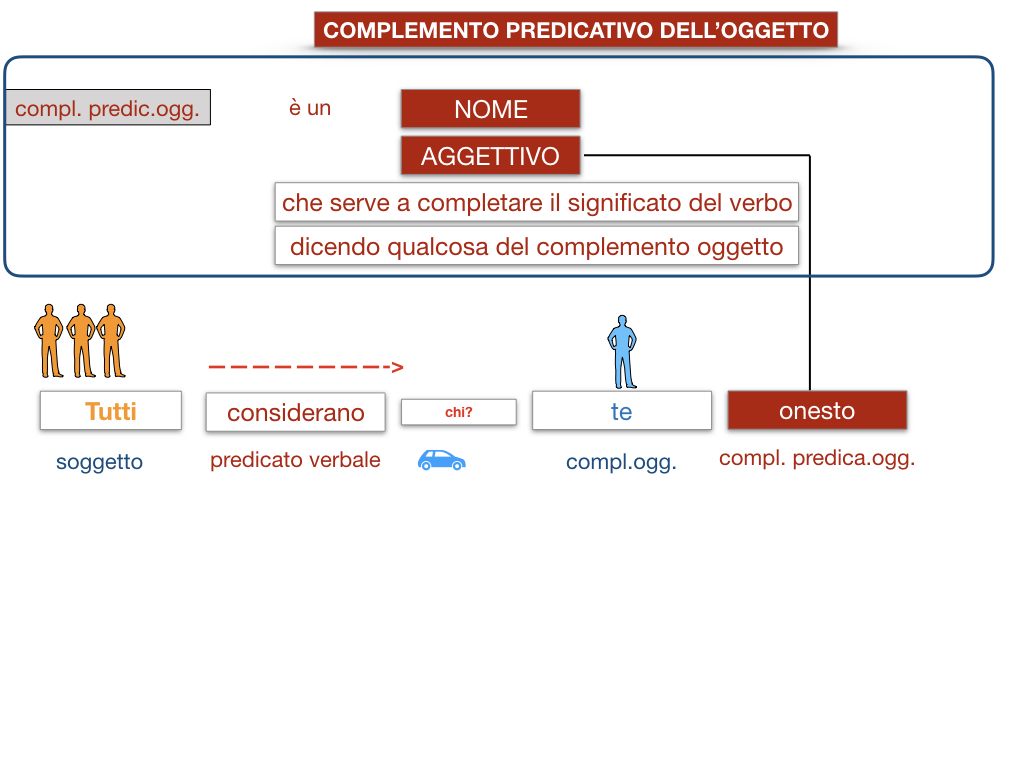
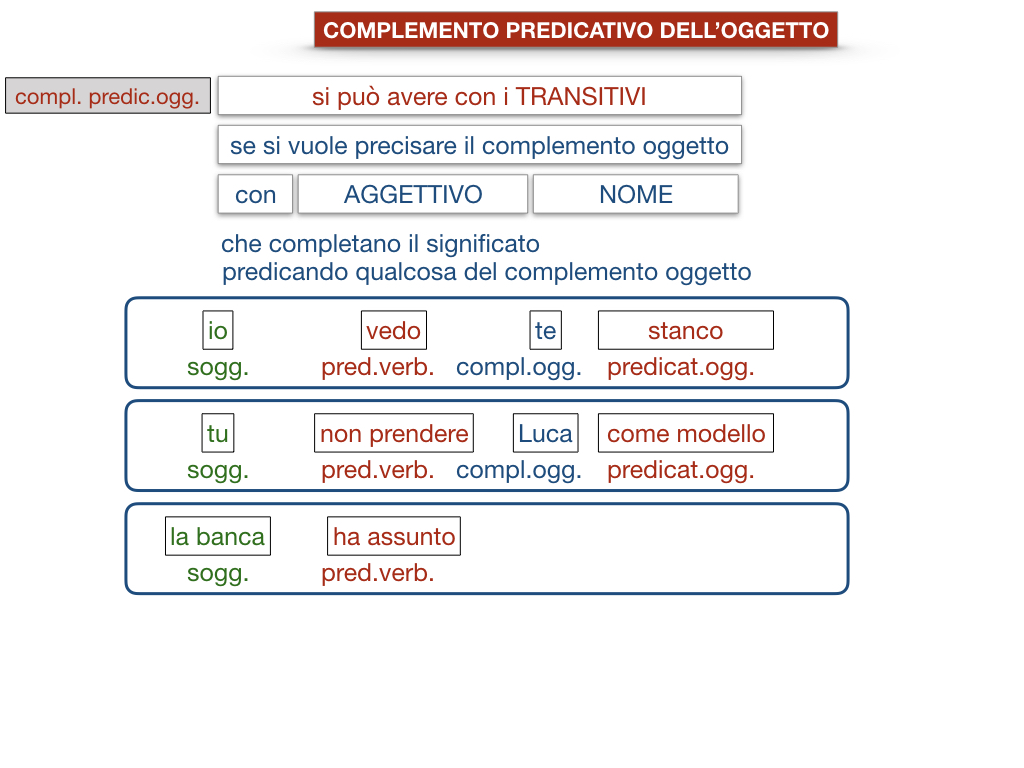
Now, let's move onto the Complemento Predicativo dell'Oggetto. This one describes the direct object of the sentence. Instead of telling us more about the subject, it provides extra information about the object that is being acted upon.
Key Features:
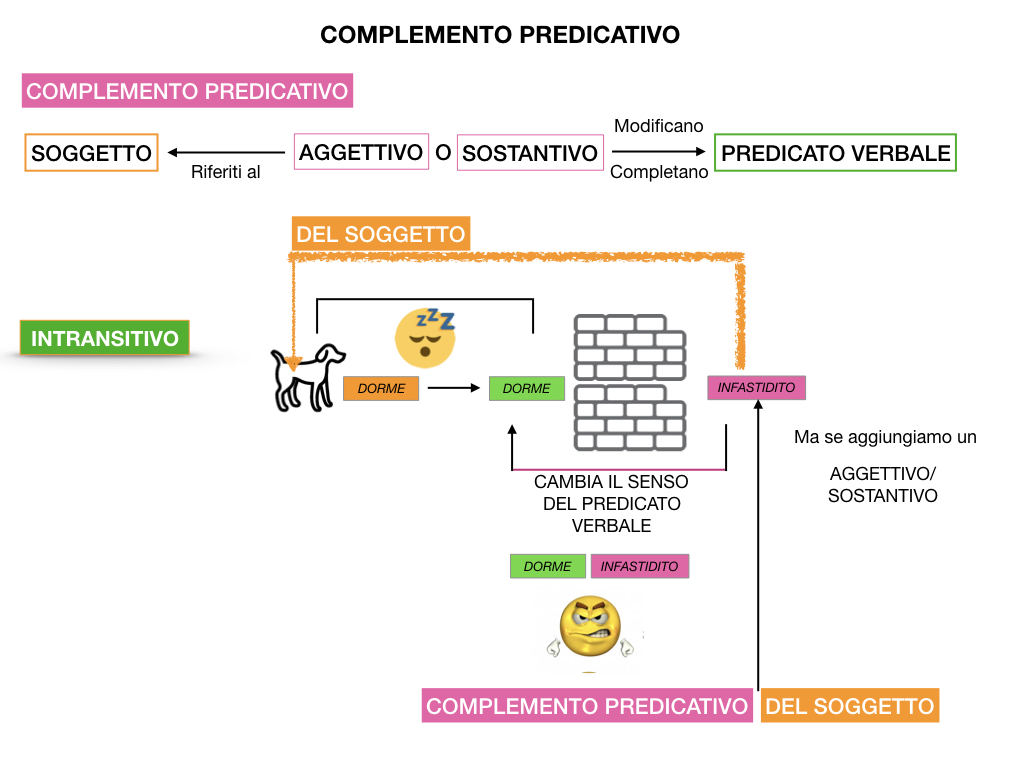
- It's linked to the direct object.
- It describes the direct object.
- It usually follows verbs that describe an action of judging, naming, electing, considering, making, or calling someone or something. Think verbs like chiamare (to call), credere (to believe), considerare (to consider), eleggere (to elect), nominare (to nominate), giudicare (to judge), ritenere (to believe), fare (to make).
Examples:
- Hanno eletto Marco rappresentante. (They elected Marco representative.) – "Rappresentante" (representative) describes Marco (the object).
- Considero questo libro interessante. (I consider this book interesting.) – "Interessante" (interesting) describes "questo libro" (this book), the object.
- Chiamano Anna dottoressa. (They call Anna doctor.) – "Dottoressa" (doctor) describes Anna (the object).
- Credono che la crisi sia passeggera. (They believe the crisis is fleeting.) – "Passeggera" (fleeting) describes "la crisi" (the crisis), the object.
Again, the bolded words describe the direct object. See the difference? It's all about what's being described: the subject or the object.
Actionable Tip for Students: Before identifying the Complemento Predicativo dell'Oggetto, first identify the verb and the direct object. Ask yourself: "What is being acted upon?" Once you know the object, you can easily determine if a word is describing it.
Key Differences Summarized: A Side-by-Side Comparison
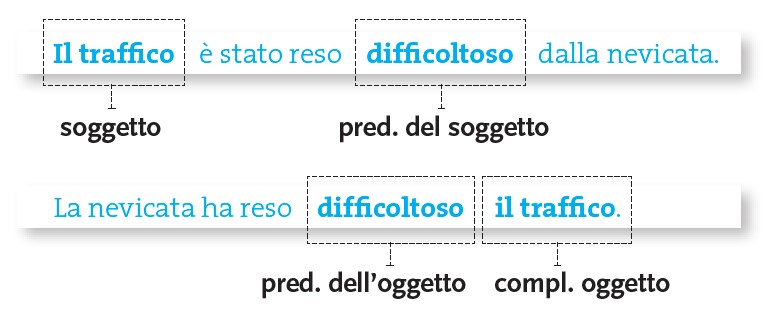
To further clarify the distinction, let's put the two complements side-by-side:
Complemento Predicativo del Soggetto
- Describes the subject of the sentence.
- Follows linking verbs (verbi copulativi).
- Examples: è, diventa, sembra, appare.
Complemento Predicativo dell'Oggetto
- Describes the direct object of the sentence.
- Follows verbs of judging, naming, electing, etc.
- Examples: chiamare, considerare, eleggere, nominare, credere.
Think of it like this: the Complemento Predicativo del Soggetto is a spotlight shining on the subject, while the Complemento Predicativo dell'Oggetto shines on the direct object.
Common Mistakes and How to Avoid Them
One common mistake is confusing the Complemento Predicativo with an attributo. An attributo is an adjective that directly modifies a noun, whereas the Complemento Predicativo describes a state or quality related to the noun through a verb. For example:
- La bella Maria è felice. ("Bella" is an attributo directly modifying Maria. Felice is the Complemento Predicativo del Soggetto because it describes her state.)
Another mistake is misidentifying the direct object. Remember to ask yourself: "What is receiving the action of the verb?" If you can't identify a direct object, then it's likely the Complemento Predicativo is related to the subject.
Practice Makes Perfect: Exercises and Activities
The best way to master these concepts is through practice! Here are some exercises you can try:
- Identify the Complemento Predicativo del Soggetto or Complemento Predicativo dell'Oggetto in the following sentences:
- Il caffè sembra amaro.
- Hanno giudicato il film noioso.
- La neve è diventata ghiaccio.
- Ritengo l'idea valida.
- L'acqua è rimasta fredda.
- Create your own sentences using specific verbs and identify the complements.
- Take a text in Italian, for example a newspaper article, and try to find examples of Complemento Predicativo.
Actionable Tip for Parents: Make grammar fun by turning it into a game! Create flashcards with sentences and have your child identify the different elements. Offer rewards for correct answers. Positive reinforcement can make a big difference!
Building Confidence: You Can Do It!
Learning grammar takes time and effort. Don't get discouraged if you make mistakes. Everyone does! The important thing is to keep practicing and to celebrate your progress along the way. Remember, understanding the Complemento Predicativo del Soggetto and Complemento Predicativo dell'Oggetto isn't just about memorizing rules; it's about developing a deeper understanding of how language works. And that's a skill that will benefit you in all areas of your life.
So, take a deep breath, keep practicing, and believe in yourself. You've got this! And remember, understanding these concepts improves your communication and provides you with precision to express your ideas. Buon lavoro!