Ciao! Capisco perfettamente. La grammatica inglese, a volte, può sembrare un labirinto, soprattutto quando ci si imbatte in tempi verbali simili come il Present Perfect Continuous e il Present Perfect. Non preoccuparti, non sei solo! Molti studenti faticano a distinguerli, ma con un po' di chiarezza e pratica, diventerà tutto più semplice. Facciamo un respiro profondo e affrontiamo la questione insieme!
Present Perfect: Un'istantanea del passato con effetti sul presente
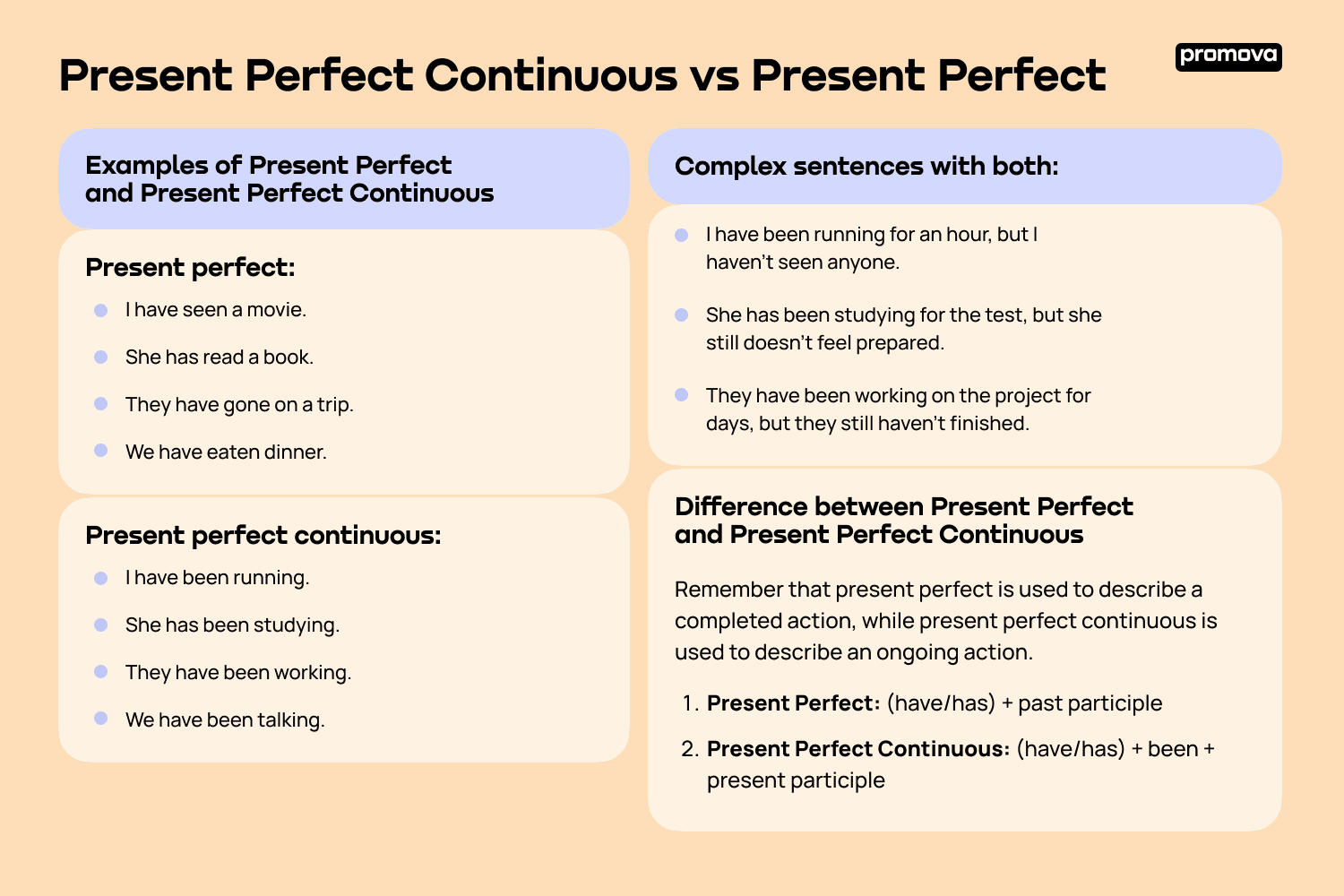
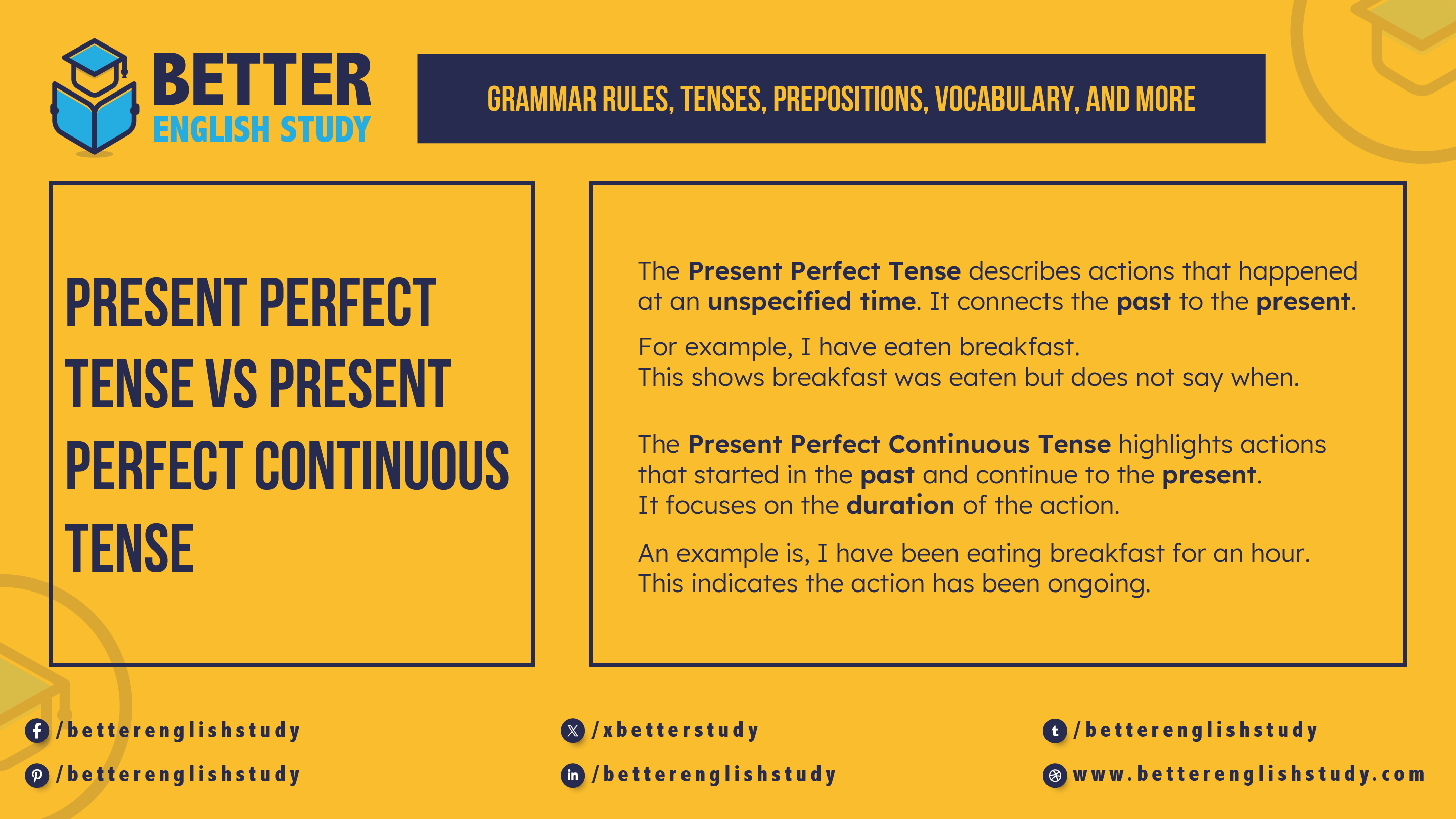
Pensa al Present Perfect come a una fotografia scattata nel passato, ma il cui ricordo è ancora vivo nel presente. Lo usiamo per parlare di:
Esperienze passate che hanno un impatto sul presente: "I've been to Rome." (Sono stato a Roma - e ricordo ancora l'esperienza).
Risultati raggiunti: "She has finished her homework." (Ha finito i compiti - e ora è libera di fare altro).
Situazioni iniziate nel passato che continuano fino ad ora: "We have lived here for five years." (Viviamo qui da cinque anni - e ci viviamo ancora).
La struttura è semplice: have/has + participio passato del verbo.
Fai attenzione a parole come: ever, never, just, already, yet, since, for.
Esempio: "He has just arrived." (È appena arrivato).
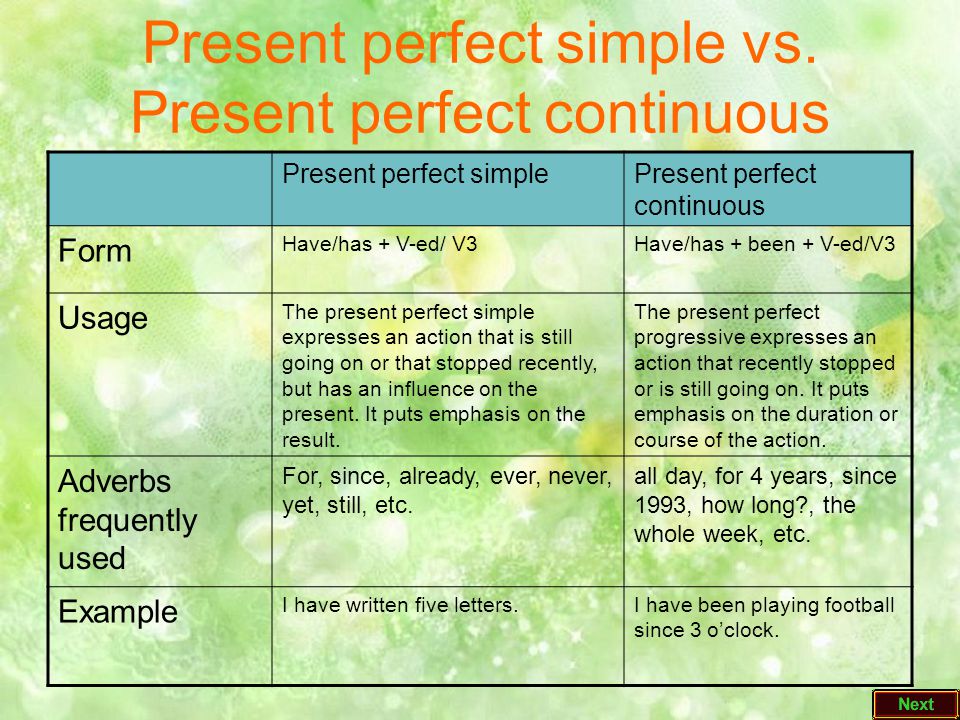
Present Perfect vs. Present Perfect Continuous Tense - What's The
Present Perfect Continuous: L'azione che continua ad influenzare il presente
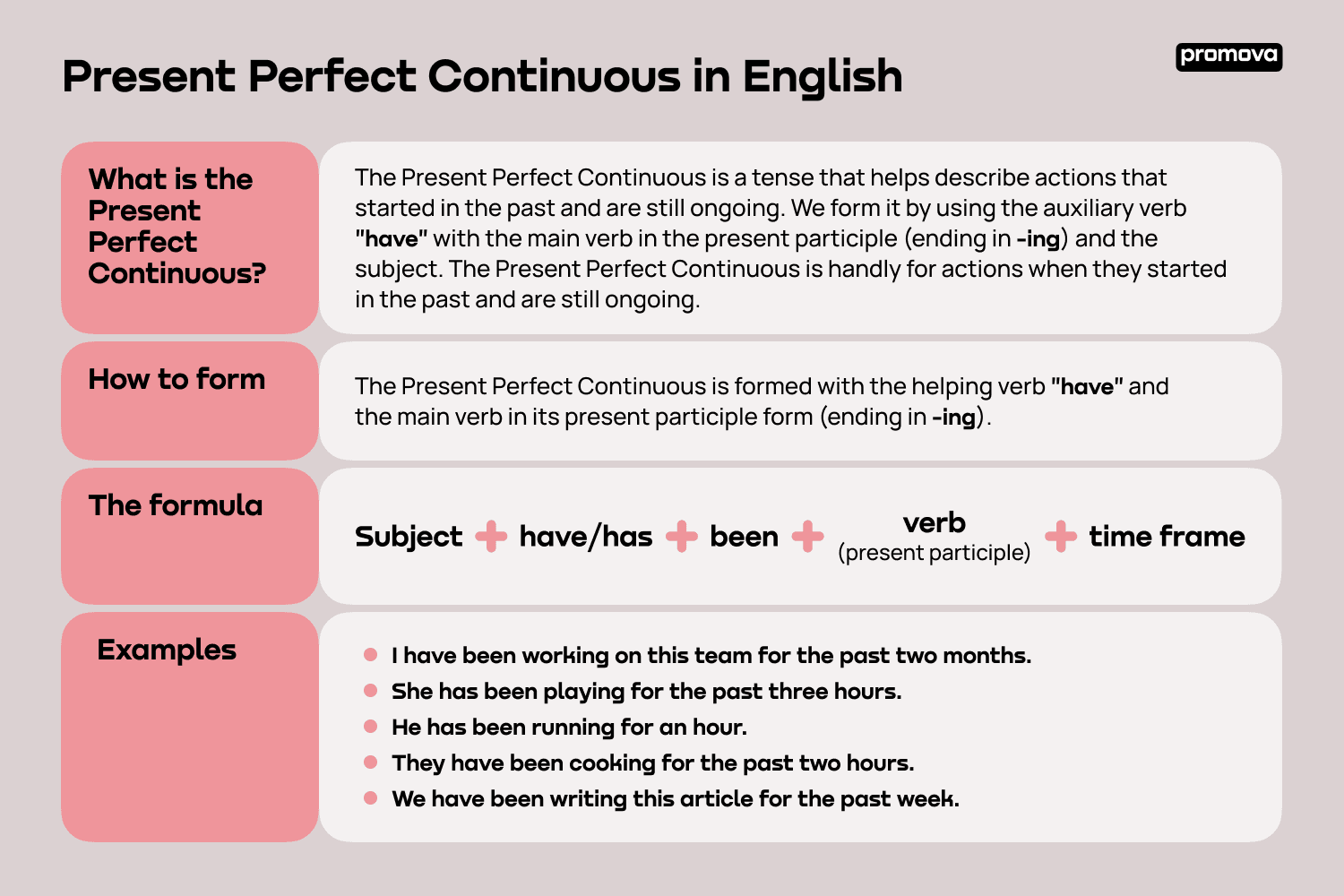
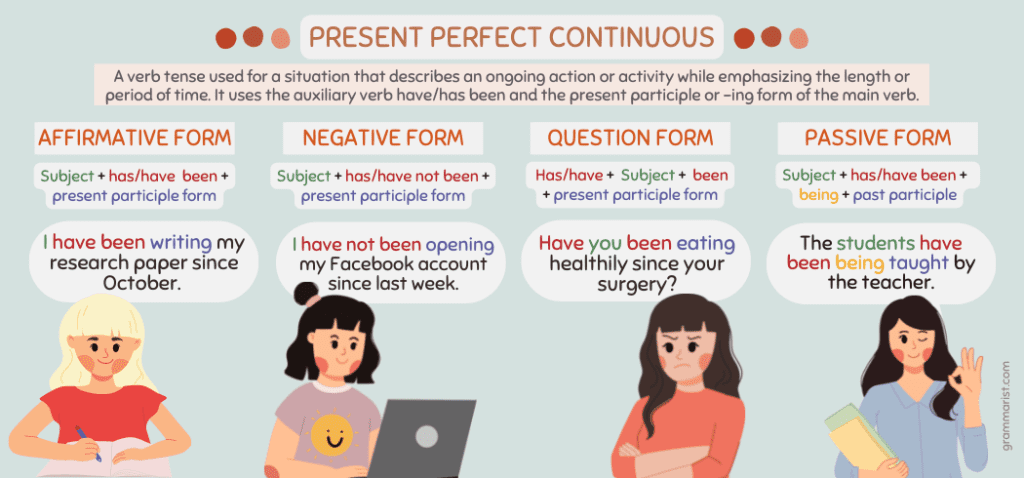
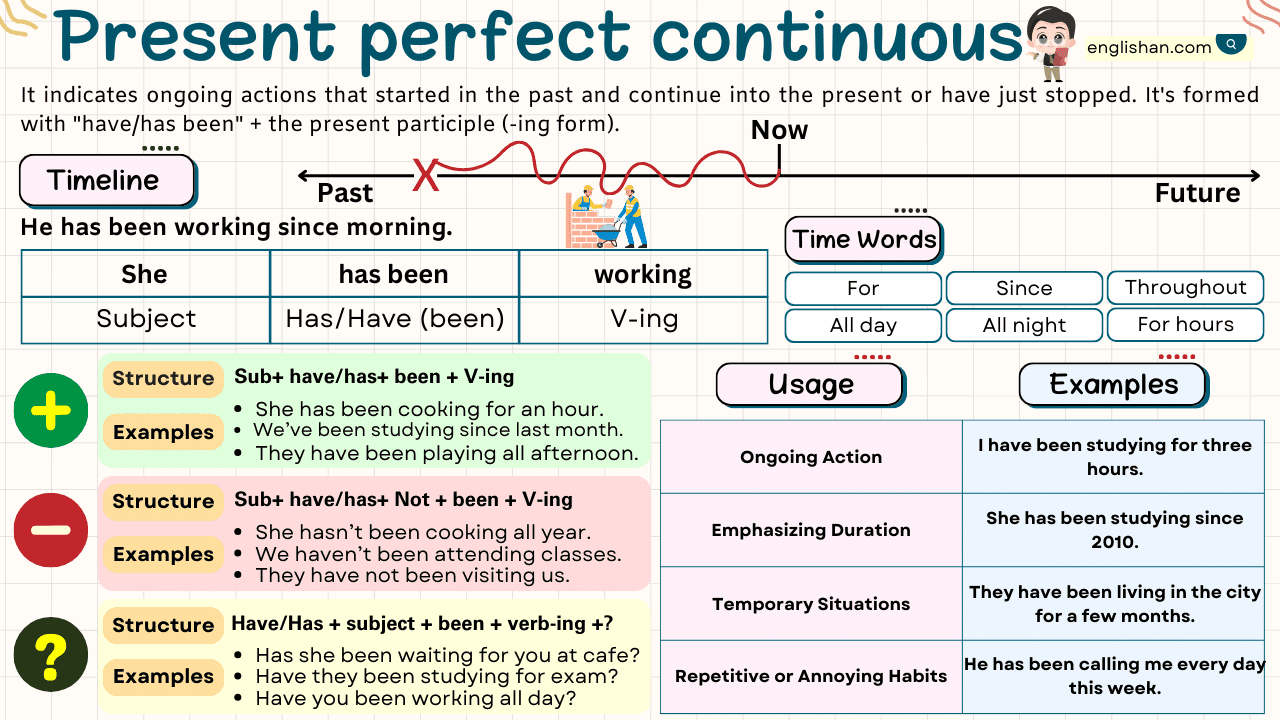
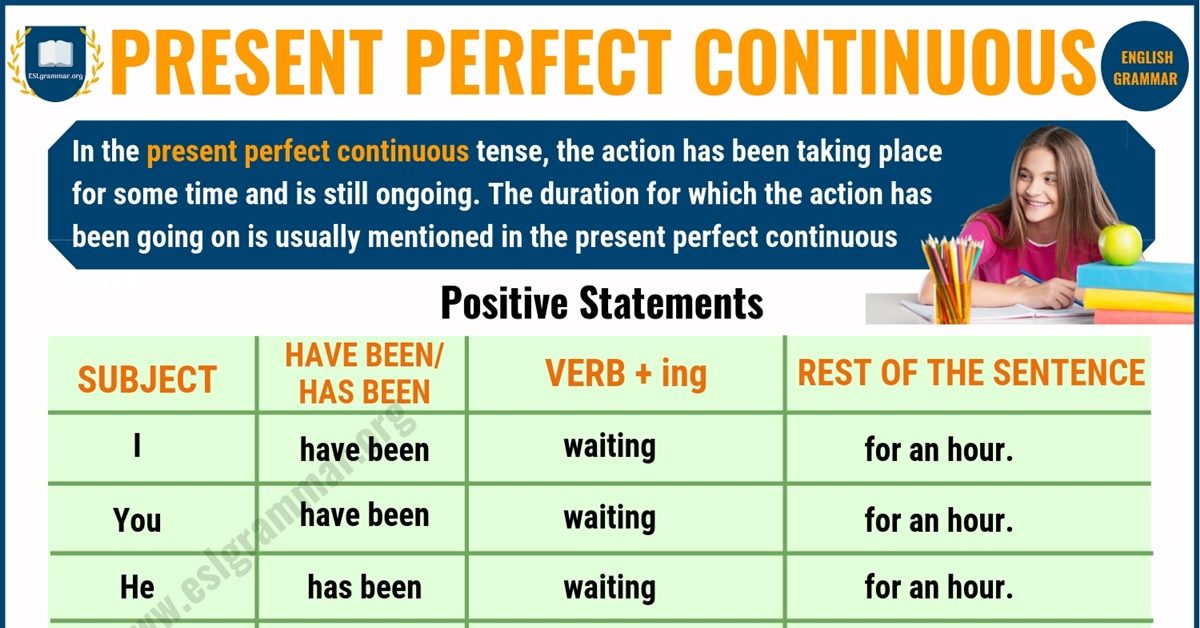
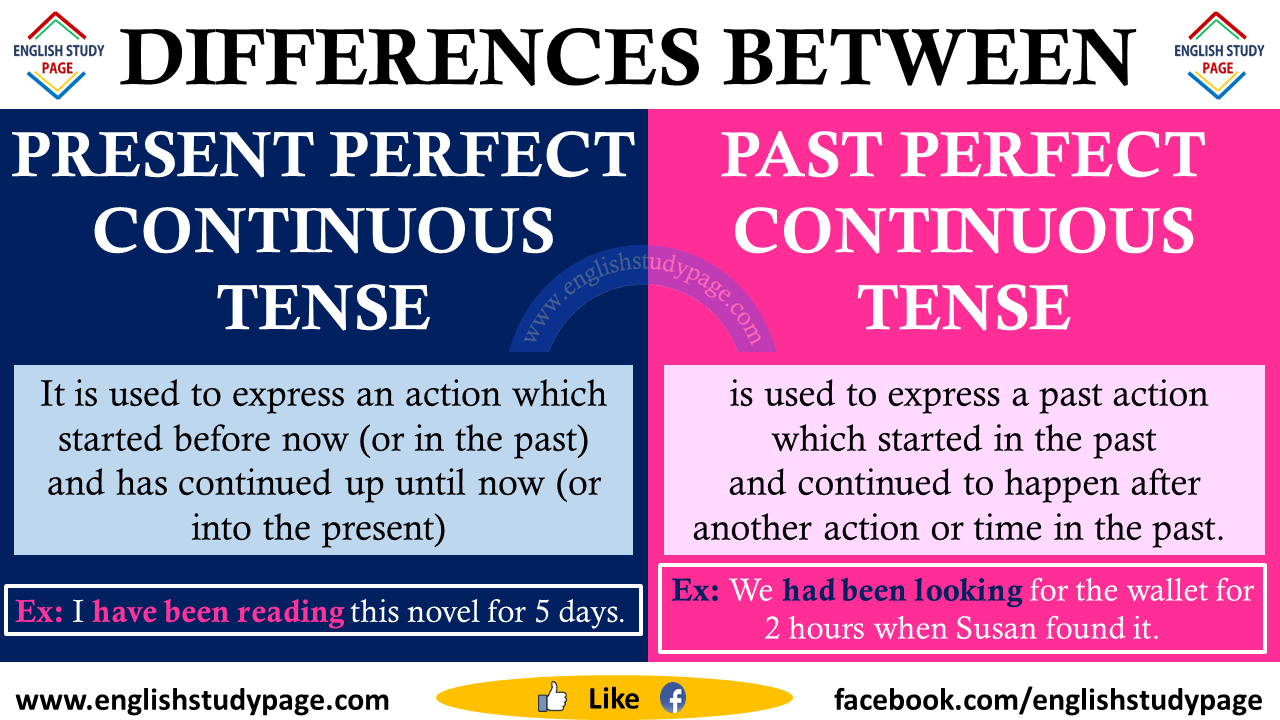
Il Present Perfect Continuous, invece, lo usiamo per sottolineare la durata di un'azione iniziata nel passato e che continua, o si è appena conclusa, lasciando segni visibili nel presente. Immagina un video che mostra lo svolgersi dell'azione nel tempo.
Azioni iniziate nel passato che continuano fino ad ora (con enfasi sulla durata): "I have been studying English for two hours." (Studio inglese da due ore - e sto ancora studiando, o mi sento stanco perché ho appena finito).
Azioni appena concluse i cui effetti sono visibili: "She has been crying. Her eyes are red." (Ha pianto. Ha gli occhi rossi).
La struttura è: have/has + been + verbo in -ing.
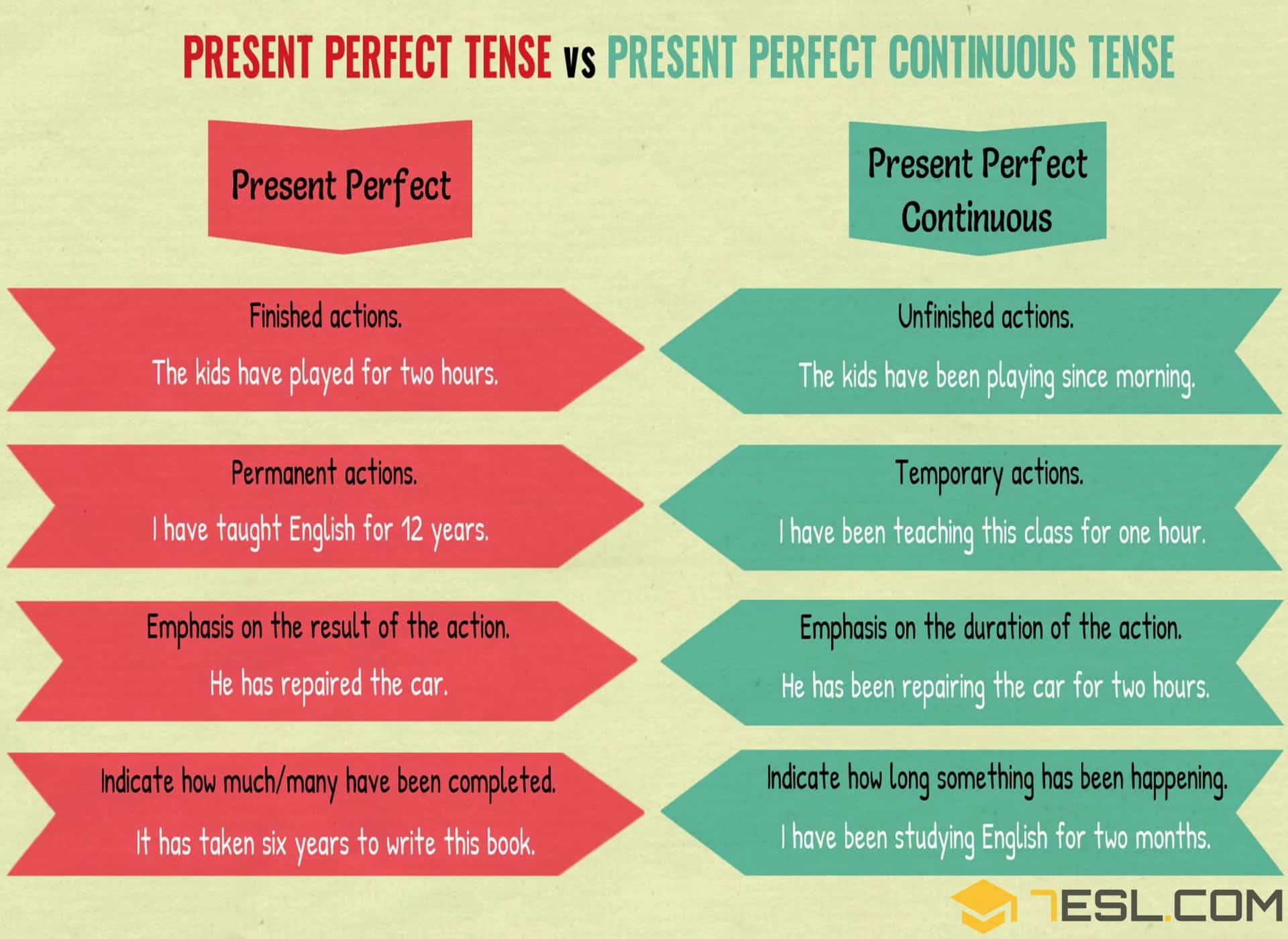
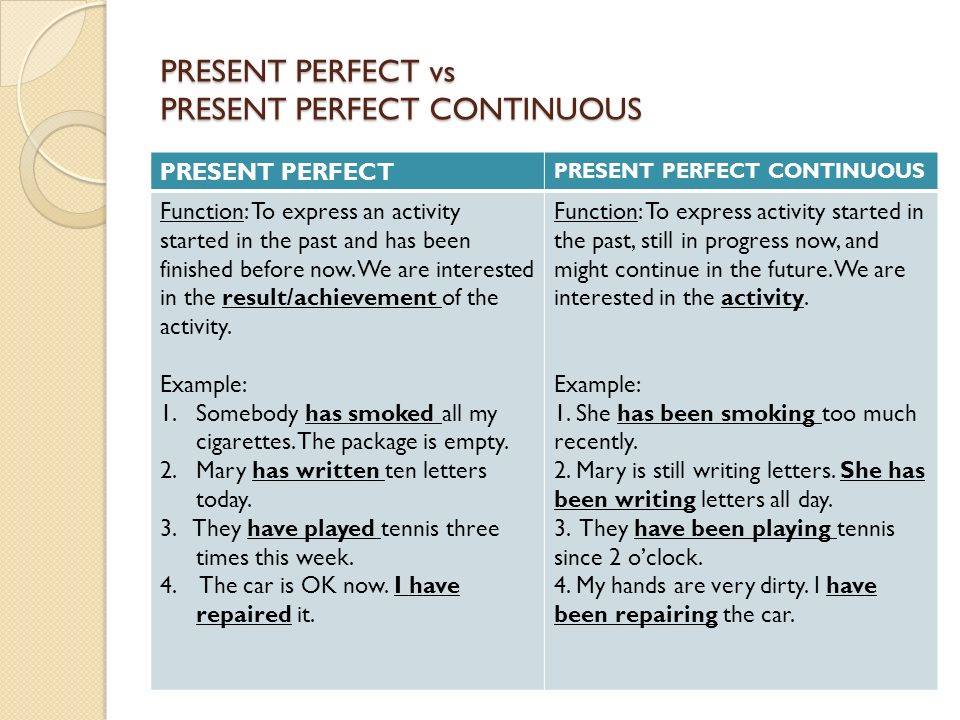
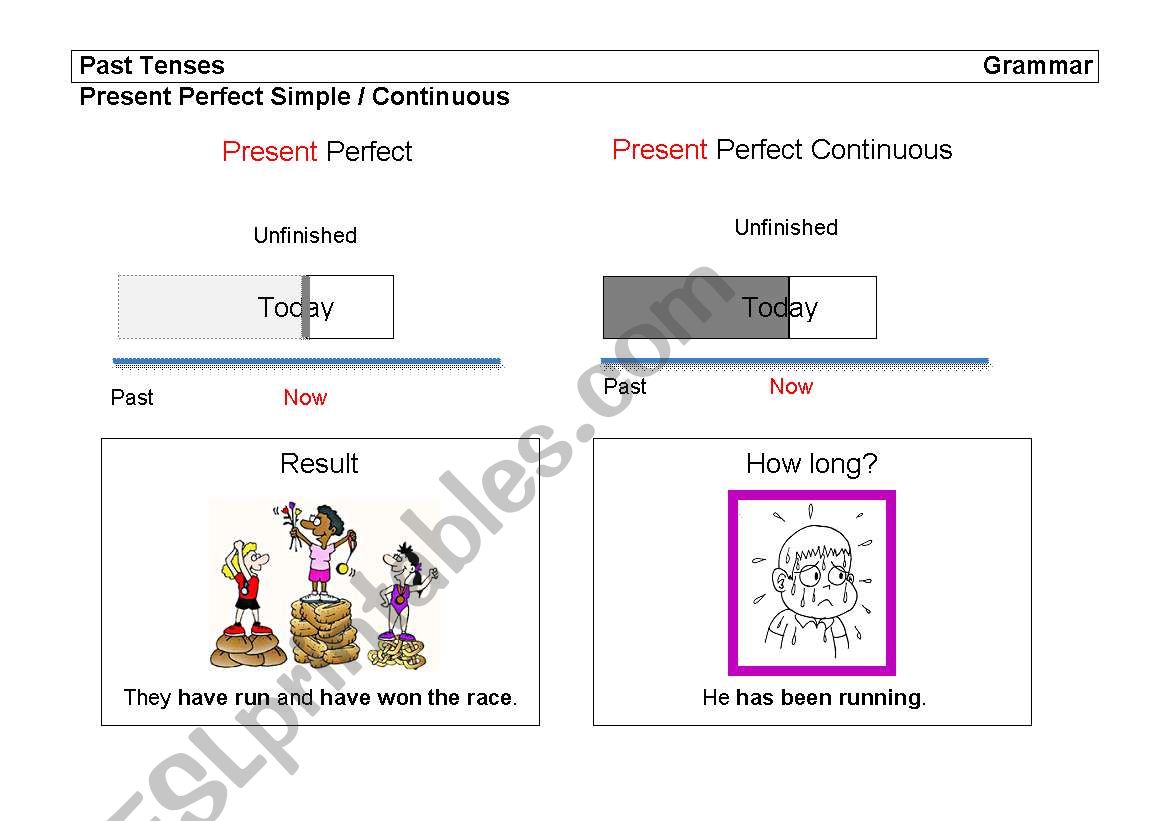
Present Perfect and Present Perfect Continuous • 7ESL
Parole chiave che ti aiutano a identificarlo:
Cerca parole come: for, since, lately, recently, all day, all morning.
Esempio: "It has been raining all day." (Ha piovuto tutto il giorno).
Present Perfect and Present Perfect Continuous • 7ESL
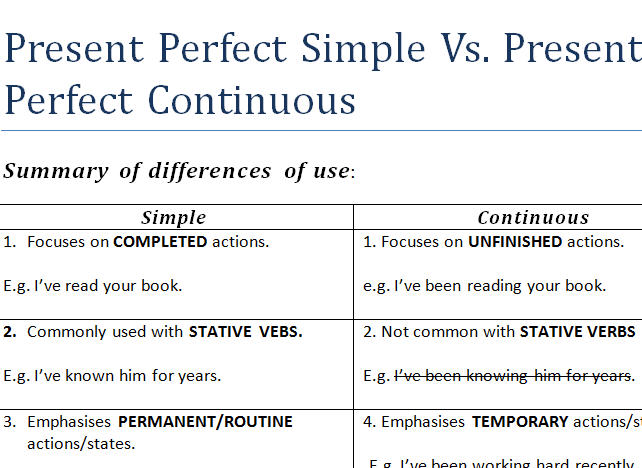
La differenza chiave: Risultato vs. Processo
Ecco il trucco fondamentale: chiediti se vuoi enfatizzare il risultato o il processo. Se vuoi concentrarti sul fatto compiuto, usa il Present Perfect. Se vuoi evidenziare la durata e l'azione in sé, usa il Present Perfect Continuous.
Esempio:
"I have written three emails." (Ho scritto tre email - focus sul numero di email scritte).
"I have been writing emails all morning." (Ho scritto email tutta la mattina - focus sull'attività e sul tempo dedicato).
Consigli pratici per imparare:
Esercitati quotidianamente: Scrivi frasi che descrivono le tue attività recenti, usando entrambi i tempi verbali.
Ascolta e osserva: Presta attenzione a come vengono usati questi tempi verbali in film, serie TV, canzoni e libri.
Non aver paura di sbagliare: L'errore è parte del processo di apprendimento. Impara dai tuoi errori e non scoraggiarti!
Crea delle tabelle comparative: Scrivi esempi concreti, mettendo a confronto i due tempi verbali per situazioni simili.
Ricorda, la chiave è la pratica e la perseveranza. Non aver fretta di imparare tutto subito. Con il tempo, il Present Perfect Continuous e il Present Perfect diventeranno tuoi alleati nella comunicazione in inglese! Continua così, sei sulla strada giusta!