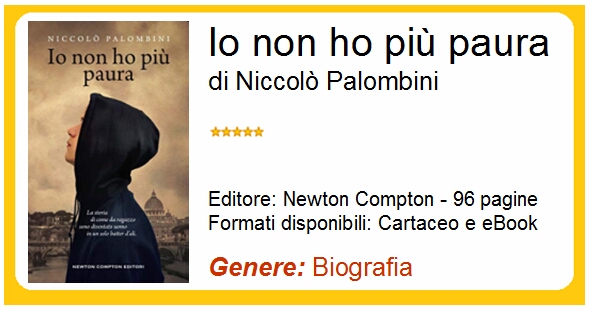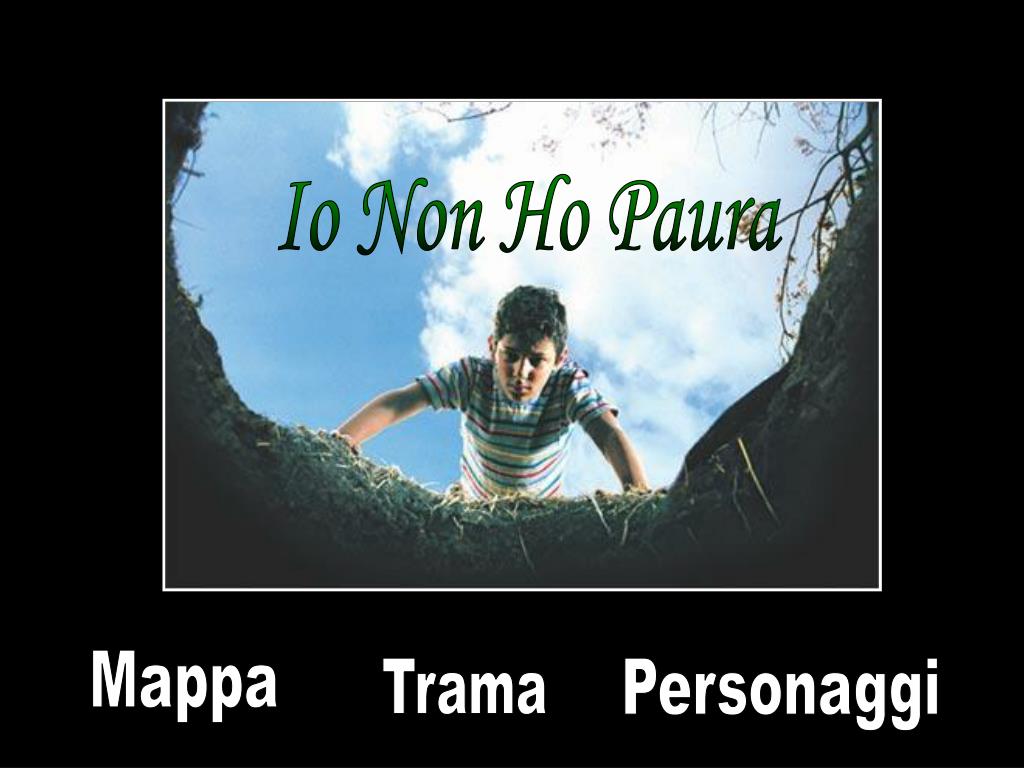
Scheda Libro Di Io Non Ho Paura
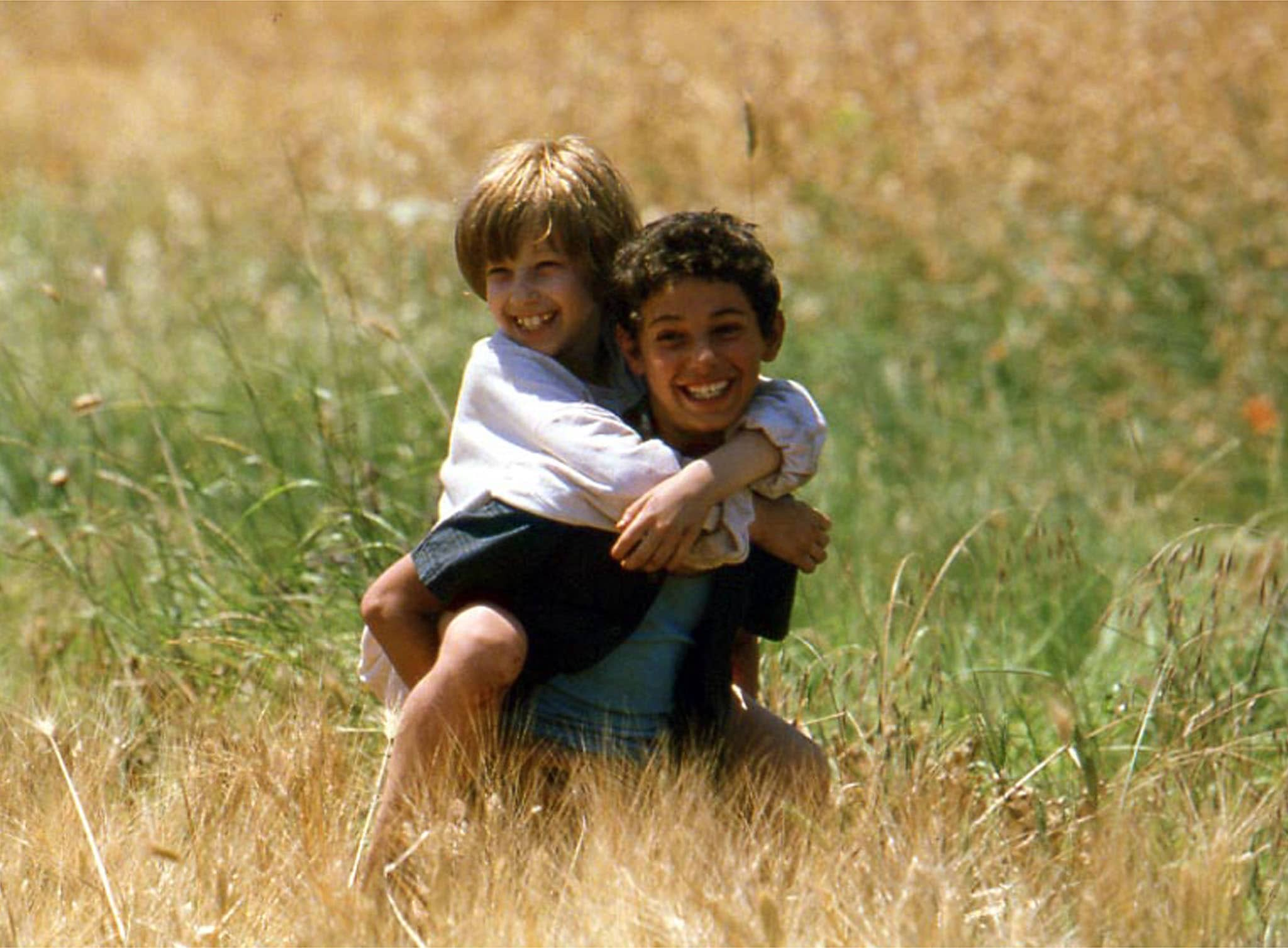
Niccolò Ammaniti's Io Non Ho Paura, published in 2001, is a powerful and haunting novel that explores themes of childhood innocence, fear, courage, and the corrupting influence of adults in the rural landscape of Southern Italy. Set during the sweltering summer of 1978, the story centers around ten-year-old Michele Amitrano, who discovers a dark secret that shatters his world. This scheda libro delves into the key aspects of the novel, analyzing its narrative structure, character development, and the social commentary it provides.
L'Ambientazione e l'Atmosfera
Un'Italia Rurale Opprimente
The setting of Io Non Ho Paura is crucial to the story's impact. Ammaniti vividly depicts the desolate and impoverished countryside of Acqua Traverse, a fictional hamlet in Southern Italy. The relentless heat, the vast fields of wheat, and the sense of isolation create a palpable atmosphere of tension and unease. This oppressive environment mirrors the moral decay that permeates the adult world and provides a stark contrast to Michele's youthful innocence. The physical landscape becomes a symbol of the emotional landscape of the characters.
The choice of 1978 as the year is also significant. It places the story within a specific historical context, a time of political turmoil and social unrest in Italy, known as the "Anni di Piombo" (Years of Lead). While the novel doesn't directly address the political climate, the undercurrent of societal anxiety and violence contributes to the overall feeling of dread. We can see parallels with real-world events of that time, such as kidnappings carried out by various extremist groups, even though the specific crime in the novel is driven by different motives.
Must Read
I Personaggi Principali e le Loro Dinamiche
Michele Amitrano: L'Innocenza Perduta
Michele is the heart of the novel. He is a typical ten-year-old boy, full of curiosity and a thirst for adventure. His innocence and naivety are evident in his interactions with his friends and his initial inability to comprehend the gravity of his discovery. Michele's journey is one of forced maturation. He is confronted with the darkness of the adult world far too early, and his experiences irrevocably change him. His unwavering sense of empathy and his ultimate act of courage are what make him such a compelling and memorable character.
Ammaniti masterfully portrays Michele's internal conflict as he grapples with the knowledge of the kidnapped Filippo Carducci. His loyalty to his family clashes with his growing understanding of the moral implications of their actions. This internal struggle drives the narrative and highlights the devastating consequences of adult decisions on children.
Filippo Carducci: La Vittima Innocente
Filippo, the boy held captive in the hole, represents pure innocence and vulnerability. He is a symbol of the stolen childhood and the devastating impact of violence on the innocent. His fear and desperation are palpable, and his connection with Michele forms the emotional core of the story. Filippo's presence serves as a constant reminder of the inhumanity of the adults involved in his kidnapping.

I Genitori di Michele: La Corruzione Morale
Michele's parents, Pino and Anna, represent the flawed and morally compromised adult world. Their involvement in the kidnapping, driven by desperation and greed, highlights the corrupting influence of poverty and the lengths to which people will go to for money. Their actions are not portrayed as purely evil, but rather as a result of their circumstances. This ambiguity makes them all the more unsettling.
Pino, in particular, embodies the moral decay that pervades the community. He is portrayed as weak and easily swayed by others, ultimately making the decision to participate in the kidnapping despite his inner reservations. Anna, while initially presented as a caring mother, is ultimately complicit in the crime, demonstrating the pervasive nature of the corruption.
Temi Chiave e Simbolismo
Paura e Coraggio
The title itself, Io Non Ho Paura ("I'm Not Afraid"), speaks to the central theme of overcoming fear. Michele's journey is one of confronting his own fears and acting courageously in the face of danger. His initial fear of the dark, the hole, and the unknown gradually transforms into a deeper, more profound fear of the adults around him. However, he ultimately chooses courage over fear, risking his own life to save Filippo.
The novel explores different types of fear: the fear of the unknown, the fear of authority, and the fear of losing loved ones. Michele's ability to overcome these fears is a testament to the resilience of the human spirit and the power of empathy.

Innocenza Perduta e Corruzione
The loss of innocence is a recurring theme throughout the novel. Michele's discovery of Filippo's imprisonment marks a turning point in his life, forcing him to confront the harsh realities of the adult world. He is exposed to violence, betrayal, and moral compromise, shattering his naive worldview. The novel serves as a cautionary tale about the dangers of exposing children to the darkness of the adult world.
The contrast between Michele's innocent perspective and the corrupt actions of the adults highlights the profound moral decay that permeates the community. The kidnapping of Filippo represents the ultimate betrayal of childhood innocence and the devastating consequences of greed and desperation.
La Solidarietà e l'Empatia
Despite the darkness and violence that pervade the novel, there are also moments of hope and human connection. Michele's unwavering empathy for Filippo and his determination to save him demonstrate the power of human kindness. Their friendship, forged in the face of adversity, is a testament to the resilience of the human spirit.

Michele's act of courage is ultimately driven by his sense of solidarity with Filippo. He recognizes Filippo's humanity and refuses to stand by and watch him suffer. This act of selflessness offers a glimmer of hope in an otherwise bleak and unsettling world.
Il Simbolismo del Buco (The Hole)
The hole where Filippo is held captive serves as a powerful symbol throughout the novel. It represents the darkness and hidden secrets that lie beneath the surface of the seemingly idyllic rural landscape. It's also a symbol of the psychological trauma inflicted upon Filippo and the hidden fears and insecurities of the adults involved. The hole is a physical manifestation of the moral abyss into which the characters descend.
Furthermore, the act of descending into the hole can be interpreted as a symbolic descent into the underworld, a journey into the depths of human depravity. Michele's willingness to enter the hole represents his courage in confronting the darkness and his determination to rescue Filippo from his imprisonment.
Stile e Tecnica Narrativa
Ammaniti's writing style is characterized by its simplicity and directness. He uses simple language and vivid imagery to create a sense of realism and immediacy. The novel is told from Michele's perspective, which allows the reader to experience the events through the eyes of a child. This narrative choice enhances the emotional impact of the story and allows for a deeper exploration of Michele's internal struggles.
The use of short, fragmented sentences and a fast-paced narrative creates a sense of tension and suspense. The author masterfully builds anticipation, leaving the reader constantly on edge. The contrast between the idyllic setting and the dark events that unfold creates a chilling and unsettling effect.
Conclusione e Riflessioni
Io Non Ho Paura is a powerful and thought-provoking novel that explores the themes of fear, courage, innocence, and corruption. Through the eyes of a young boy, Niccolò Ammaniti exposes the dark underbelly of rural Italy and the devastating consequences of adult decisions on children. The novel serves as a reminder of the importance of empathy, solidarity, and the courage to stand up against injustice.
The novel's lasting impact lies in its ability to resonate with readers on a deep emotional level. It prompts us to reflect on our own values and the choices we make, particularly in relation to the vulnerable members of society. It is a story that stays with you long after you finish reading it, forcing you to confront the uncomfortable truths about human nature.
Io Non Ho Paura is not merely a story; it's a compelling exploration of the human condition, a reminder of the fragility of innocence, and a testament to the enduring power of courage and compassion. Seek out the book or the film adaptation and experience this profound story for yourself.